Pay in installments of $5.78 with
 ,
,
 and
and

Shipping Estimate
USA
- USA
- CAN
- USA
- CAN
Ships within 48 hours · Estimated delivery Jul 1 - Jul 6
 Promo Codes Available:
For Your Every Summer RSVP, with Code: SUMMER15
Description
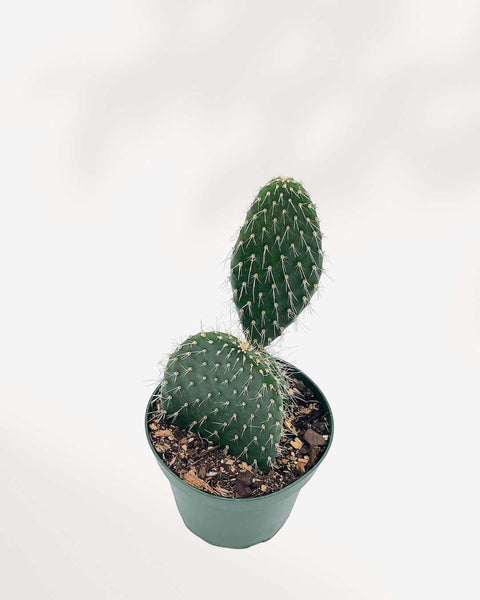
where to buy prickly pear cactus in canada Prickly Pear Cactus | Buy Online | Low Maintenance & Stunning | MygreenscapePrickly Pear Cactus, scientifically known as Opuntia, is a hardy and iconic succulent recognized for its flat, paddle like stems adorned with spines. With its vibrant flowers and unique form, this cactus adds a bold, sculptural element to any indoor or outdoor space. Native to the Americas, it thrives in sunny, arid conditions and requires minimal care, making it perfect for beginner and seasoned gardeners alike. Common Names Prickly Pear Cactus
Prickly Pear Cactus, scientifically known as Opuntia, is a hardy and iconic succulent recognized for its flat, paddle-like stems adorned with spines. With its vibrant flowers and unique form, this cactus adds a bold, sculptural element to any indoor or outdoor space. Native to the Americas, it thrives in sunny, arid conditions and requires minimal care, making it perfect for beginner and seasoned gardeners alike.
Common Names
- Prickly Pear Cactus
- Opuntia
- Indian Fig
- Nopal
Botanical Classification
- Kingdom: Plantae
- Order: Caryophyllales
- Family: Cactaceae
- Genus: Opuntia
- Species: Varies by variety
Native Habitat
Prickly Pear Cactus originates from the deserts of North and South America, where it grows in sandy, rocky soils under intense sunlight. Its ability to store water in its pads makes it a drought-tolerant and resilient choice for low-maintenance gardening.
Historical and Cultural Significance
The Prickly Pear Cactus has a rich history in traditional medicine and cuisine, particularly in Mexican and Southwestern cultures. Its pads (nopal) and fruits (tunas) are not only edible but also packed with nutrients, symbolizing sustenance and adaptability in arid environments.
Uses and Popularity
Prickly Pear Cactus is a popular choice for ornamental purposes, whether as a centerpiece in rock gardens or as a striking addition to indoor plant displays. Its vibrant flowers, edible fruits, and easy-care nature make it a versatile and desirable plant for a wide range of environments.
Conservation Status
Prickly Pear Cactus is not endangered and is widely cultivated in nurseries and greenhouses, ensuring its accessibility to plant enthusiasts worldwide.
Description
Physical Characteristics
Prickly Pear Cactus is characterized by its flattened, paddle-shaped stems (cladodes) covered in clusters of spines or glochids. Depending on the species, it produces vibrant flowers in shades of yellow, orange, red, or pink, followed by edible fruits.
Growth Habit
This cactus has an upright growth habit and can grow to heights of 3–15 feet, depending on the variety. It is highly adaptable and can thrive in pots, rock gardens, or xeriscaped landscapes.
Popular Cactus Varieties
Fishbone Cactus
- Unique zigzag stems resembling fishbones, perfect for hanging baskets.
Terra Cotta Cactus Garden
- A curated mix of miniature cacti arranged in a charming terracotta pot.
Gymnocalycium Mihanovichii Variegata
- Compact cactus with vibrant variegated hues and symmetrical spines.
Astrophytum Asterias
- Star-shaped cactus with unique patterns and daisy-like flowers.
Care Guide
Light Requirements
Prickly Pear Cactus thrives in bright, direct sunlight but can also tolerate partial shade. For indoor plants, place it near a south-facing window for optimal growth. Learn More
Watering Needs
Water sparingly, allowing the soil to dry out completely between waterings. During winter dormancy, reduce watering to a minimum. Overwatering can lead to root rot. Indoor Plant Watering Guide
Soil Preferences
Use a well-draining cactus mix with added sand or perlite. Proper drainage is essential to prevent water retention. Indoor Potting Mix
Temperature and Humidity
This cactus thrives in temperatures between 60°F and 90°F (16°C to 32°C). It prefers low humidity and should be protected from frost during colder months.
Fertilization
Feed once a month with a diluted cactus fertilizer during the growing season (spring and summer). Avoid fertilizing in winter. Bios Natural Fertilizer
Common Pests
Spider Mites
Spider mites thrive in dry conditions and can cause stippling on leaves. Increase humidity and treat with insecticidal soap. Learn More
Mealybugs
Mealybugs appear as white, cottony masses. Remove them with rubbing alcohol or use insecticidal soap. Learn More
Fungus Gnats
Overwatering can attract fungus gnats. Allow the soil to dry out and use sticky traps to control infestations. Learn More
FAQs
Can Prickly Pear Cactus grow indoors?
Yes, it thrives indoors with bright, direct sunlight. Place it near a south-facing window for best results.
Is Prickly Pear Cactus pet-friendly?
No, it is toxic to pets if ingested. Keep it out of reach of cats and dogs. Pet-Friendly Plants
Why is my cactus turning yellow?
Yellowing may indicate overwatering or poor drainage. Let the soil dry out completely between waterings.
Does Prickly Pear Cactus require fertilization?
Fertilizing during the growing season can enhance growth and flowering, but it is not mandatory for its survival.
Shipping Notes
- Free Standard Shipping on $100+ Orders to the USA.
- Except Preorder products are shipped in 48 hours.
- Delivery to the USA:
- Standard Shipping : 3-10 business days
- If time is of the essence, please consider selecting expedited delivery for faster service.
Exchange/Return Notes
- We offer a 30-day return/exchange service after receiving.
- Final sale items are not eligible for returns or exchanges.
- To process your return/exchange, please contact us at [email protected]
- Please click here for more details>>> Return & Exchange Policy